Polystyrene Wall Cladding: A Comprehensive Guide to Its Advantages
Polystyrene wall cladding has become a popular choice in residential, commercial, and industrial construction, not because it is trendy, but because it solves multiple practical problems at once. Lightweight, adaptable, and performance-driven, it offers benefits that go far beyond surface aesthetics. When used correctly, it can improve building efficiency, comfort, and long-term value in ways many traditional materials cannot.
1. Exceptional Thermal Insulation
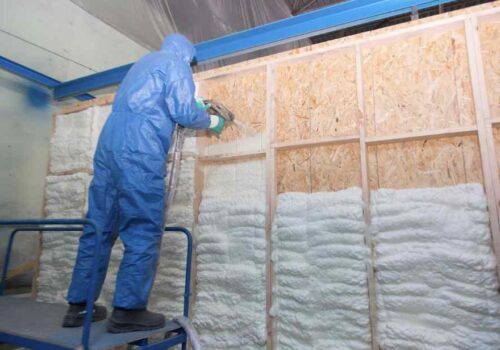
One of the strongest advantages of polystyrene wall cladding is its thermal performance. Its closed-cell structure traps air, significantly slowing heat transfer. This helps maintain stable indoor temperatures, reducing reliance on heating and cooling systems and lowering long-term energy costs.
2. Lightweight Without Compromising Performance
Despite its insulating strength, polystyrene is extremely lightweight. This reduces structural load on buildings and makes transportation and handling easier. For renovations or retrofits, this is especially valuable, as it minimises the need for structural reinforcement.
3. Faster and Cleaner Installation
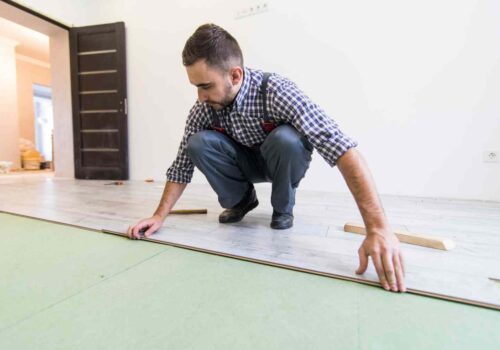
Polystyrene wall cladding systems are designed for efficiency. Panels are easy to cut, shape, and install, which shortens project timelines and reduces labour costs. Faster installation also means less disruption on-site, an advantage for both residential and commercial projects.
4. Moisture Resistance
Unlike many traditional wall materials, polystyrene does not absorb water easily. This resistance to moisture helps prevent mould growth, material degradation, and loss of insulation performance, particularly in humid or coastal environments.
5. Improved Acoustic Comfort
While primarily known for thermal insulation, polystyrene wall cladding services also contribute to sound reduction. It dampens noise transmission through walls, making indoor spaces quieter and more comfortable, especially in multi-unit buildings or busy urban areas.
6. Design Flexibility
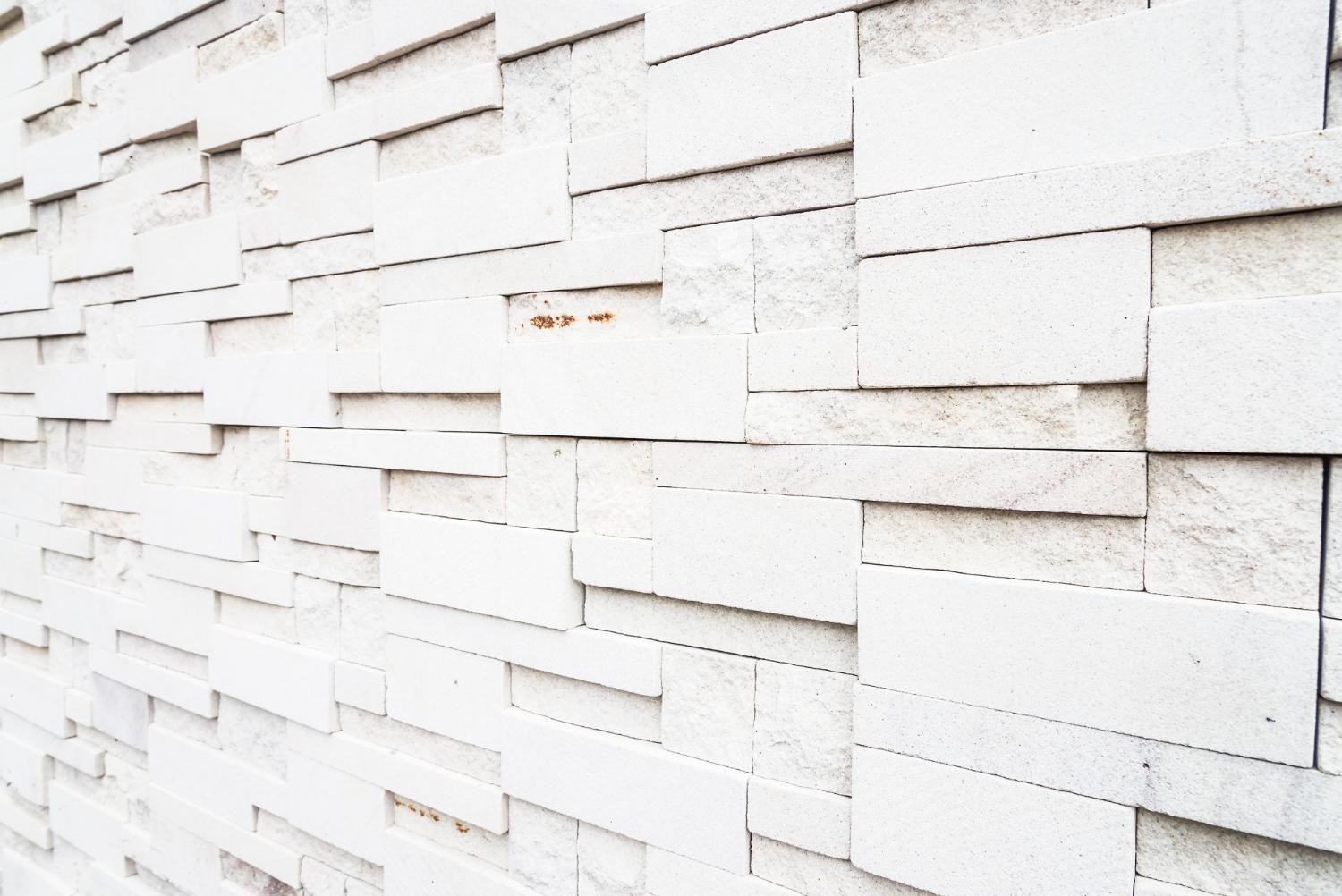
Polystyrene panels can be finished with various coatings and textures, allowing them to suit modern, minimalist, or traditional designs. This flexibility enables architects and builders to achieve visual consistency without sacrificing performance.
7. Sustainable Building Potential
Polystyrene is increasingly being recycled and reused in construction applications. When paired with energy-efficient building design, it contributes to lower carbon emissions over time by reducing energy demand throughout the life of the structure.
Polystyrene wall cladding is far more than a surface solution. It combines insulation, efficiency, durability, and adaptability into a single system that meets modern building demands. When chosen and installed correctly, it delivers measurable benefits in comfort, cost savings, and performance, making it a smart choice for forward-thinking construction projects.